
 |
Foundation for Chinese
Performing Arts
Summer FREE Concert @ NEC 2026 夏日系列音樂會 at New England Conservatory, Boston, Massachusetts Aug 6 to 22, 2026 All concerts Admission Free, suggested donation $10 at door Age 6 and under not admitted |
|
|
|
|||||||||||||||||||


|
|
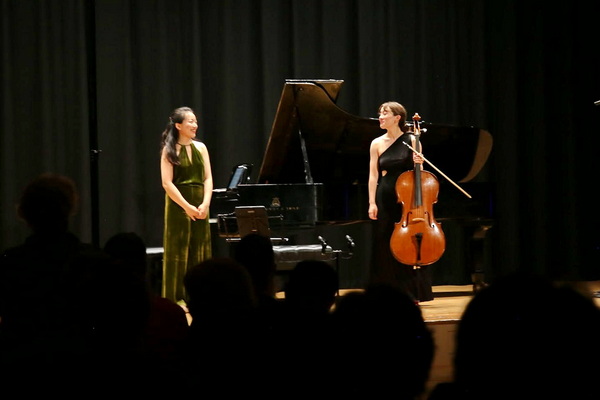
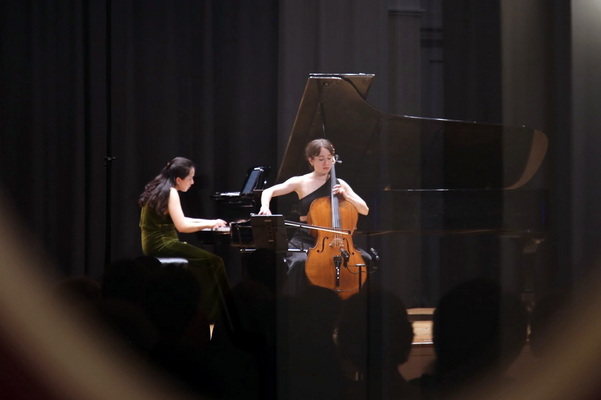
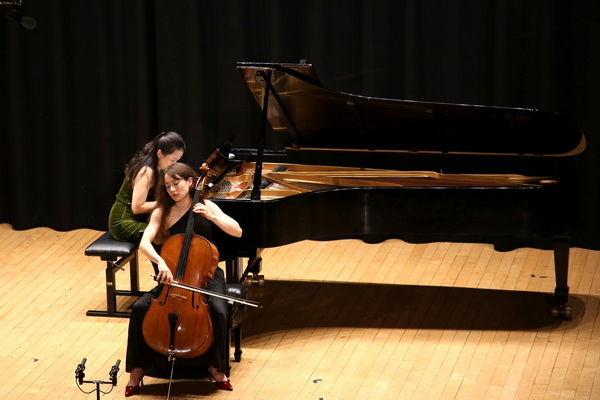
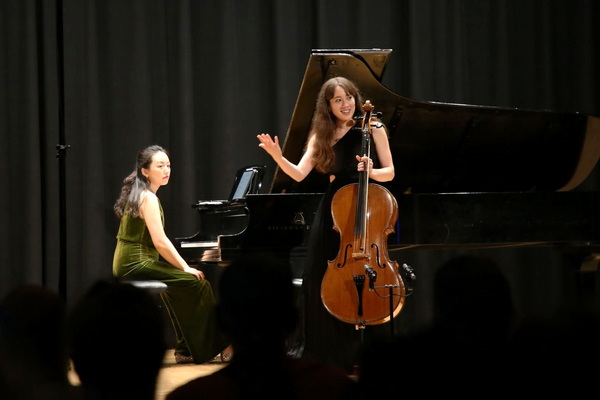
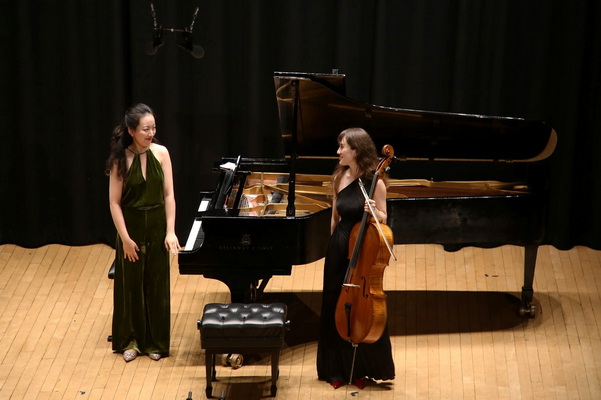
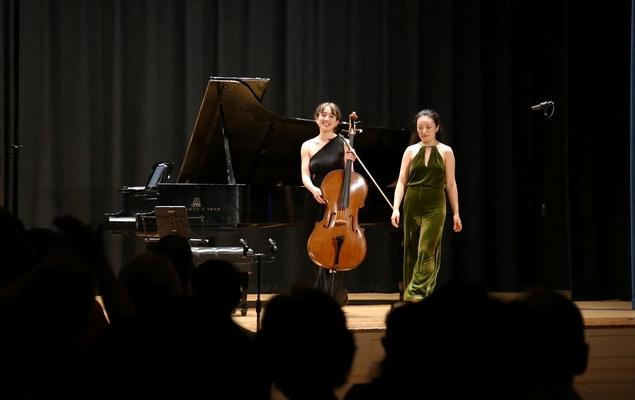
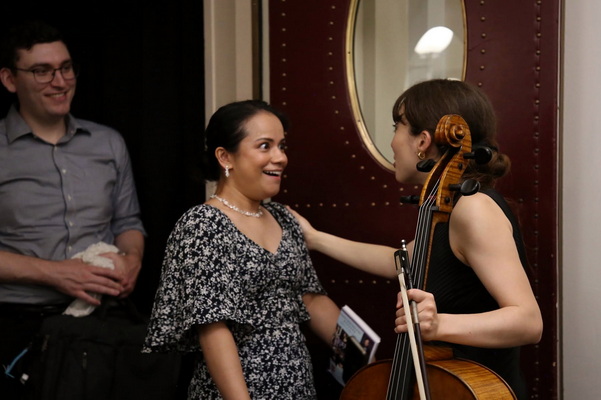
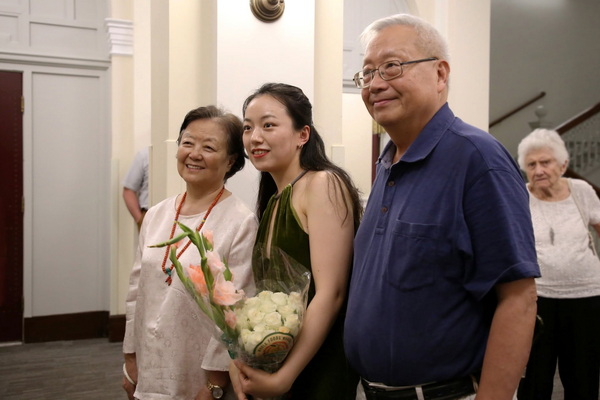
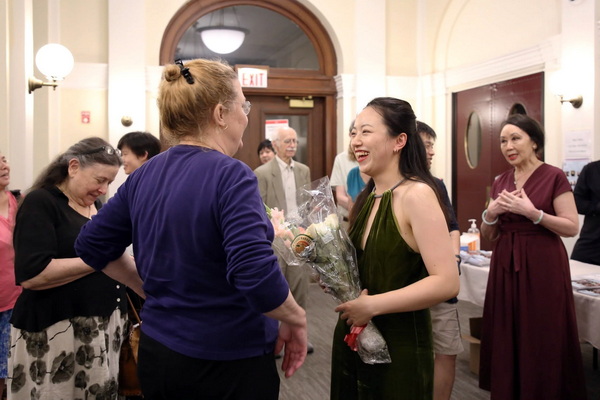
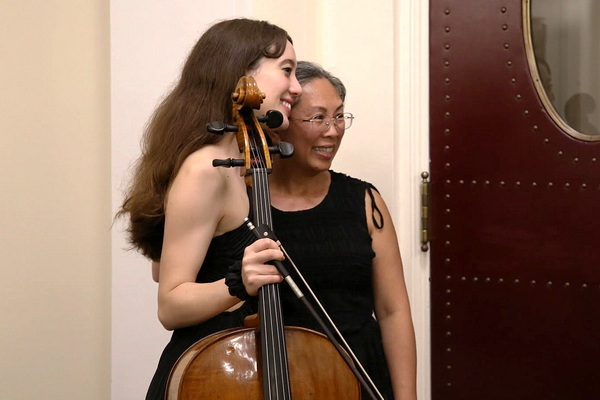
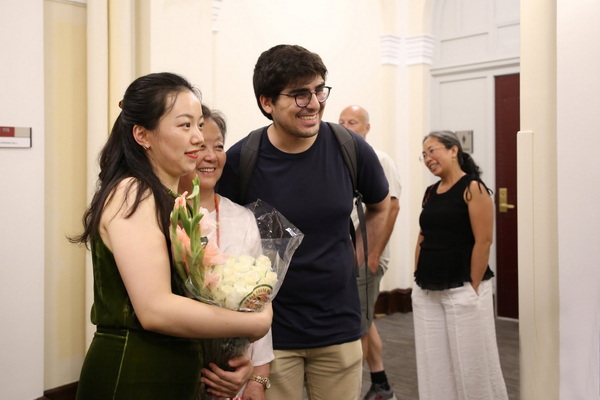
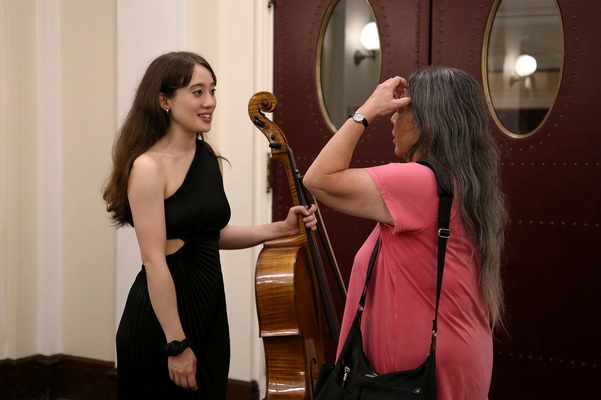
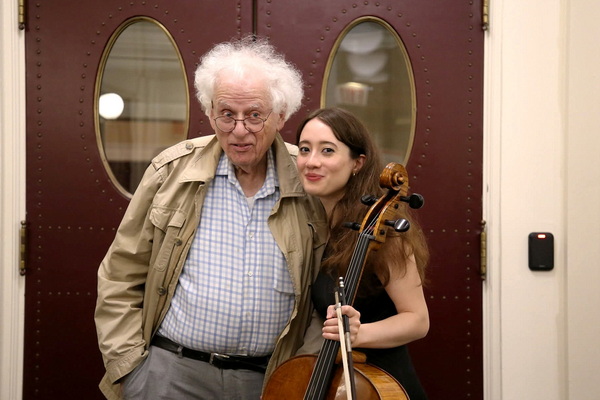
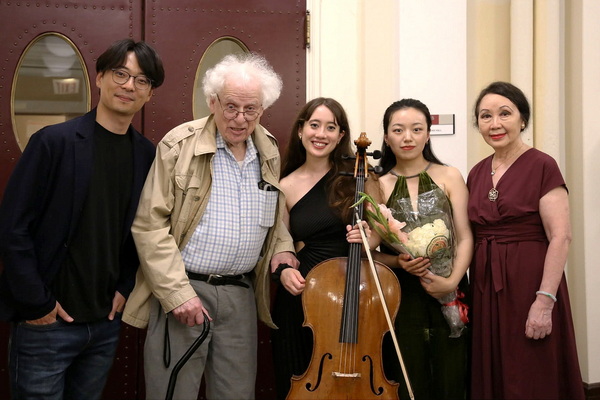
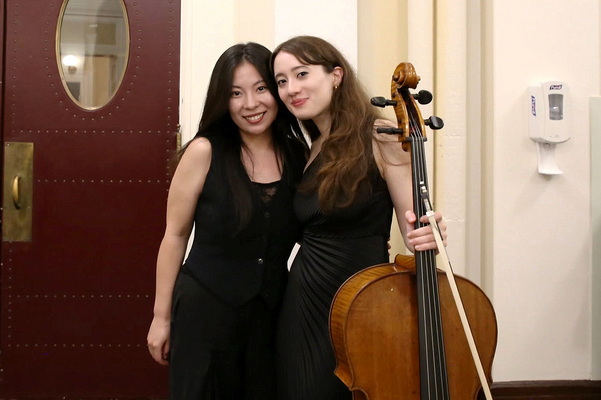
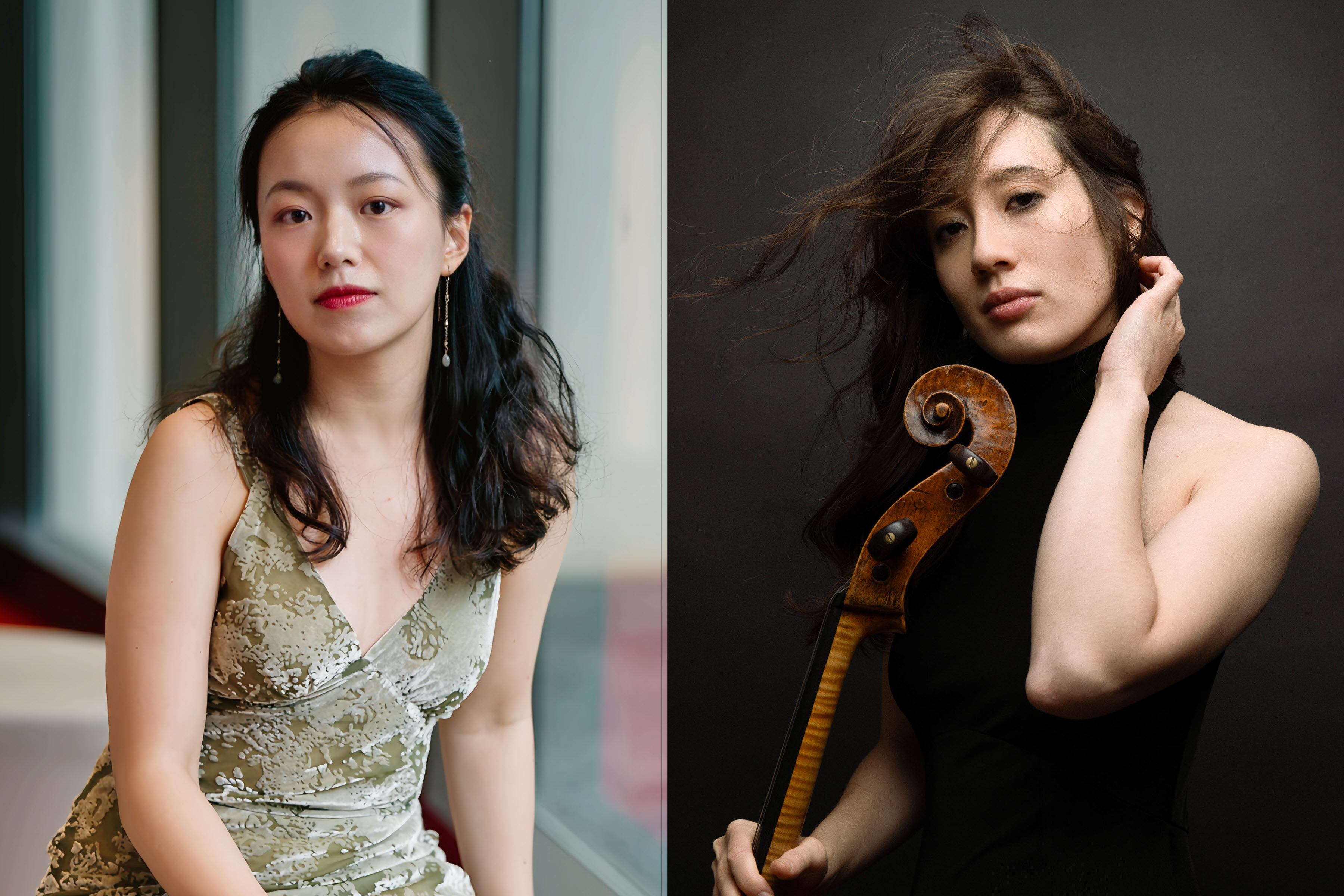
Annette
Jakovcic,
cello
https://www.annettejakovcic.com/
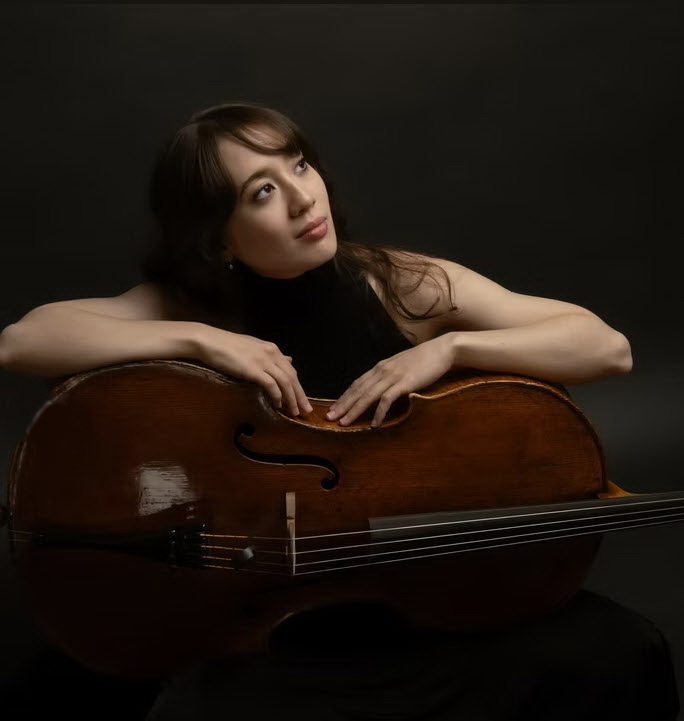 Third-generation cellist Annette Jakovcic performs
internationally across Europe, the United States, and Asia as a soloist and
chamber musician. Recent and upcoming highlights include solo appearances at
the Salzburg Festspielhaus with the Universität Mozarteum Orchestra and at
the KKL Luzern with the Neues Orchester Basel; concerto premieres by Keiko
Fujiie and Christopher Tyler Nickel; Weinberg’s Cello Concertino with the
Beyond Modern Orchestra in Switzerland; a performance of Tchaikovsky’s
Rococo Variations in Honduras; and Brahms’ Double Concerto with Gérard
Poulet in Japan.
Third-generation cellist Annette Jakovcic performs
internationally across Europe, the United States, and Asia as a soloist and
chamber musician. Recent and upcoming highlights include solo appearances at
the Salzburg Festspielhaus with the Universität Mozarteum Orchestra and at
the KKL Luzern with the Neues Orchester Basel; concerto premieres by Keiko
Fujiie and Christopher Tyler Nickel; Weinberg’s Cello Concertino with the
Beyond Modern Orchestra in Switzerland; a performance of Tchaikovsky’s
Rococo Variations in Honduras; and Brahms’ Double Concerto with Gérard
Poulet in Japan.
Passionate about cultural exchange and the social impact of music, she is committed to bringing high-level performance beyond traditional concert halls and into communities around the world. From 2024 to 2026, she tours Nepal, Cambodia, and Japan as a string quartet with Midori for the ICEP “Music Sharing” program, engaging in outreach, education, and cross-cultural dialogue through music.
She is the winner of the Fritz Leitermeyer Competition of the Vienna Philharmonic’s academy, through which she performed with the orchestra for two years under conductors including Christian Thielemann, Riccardo Muti, Andris Nelsons, and Zubin Mehta, in major venues such as the Musikverein, Berliner Philharmonie, Suntory Hall, Carnegie Hall, the Prague Rudolfinum, Concertgebouw, and Théâtre des Champs-Élysées. During this period, she also appeared in chamber performances alongside members of the orchestra in the United States, Austria, and Japan.
During her bachelor’s studies with Laurence Lesser at the New England Conservatory in Boston, she was mentored by members of the Cleveland and Juilliard Quartets. With her string quartet, she received top prizes at the Plowman and Fischoff International Chamber Music Competitions.
Annette later continued her studies in Salzburg with Clemens Hagen and in Berlin with Nicolas Altstaedt. Her artistic development has been further shaped by masterclasses with Gautier Capuçon, Steven Isserlis, Ivan Monighetti, Philippe Muller, and Maxim Vengerov, and she has performed at renowned festivals such as the Ravel Festival, Pau Casals Festival in Catalonia, Lavaux Classic, and the Gstaad Menuhin Festival.
She plays on a 1740 cello made in Perugia by Giacomo
Gavelli.
Nan Ni,
piano
Winner of 2022 Fou Ts'ong International Concerto Competition
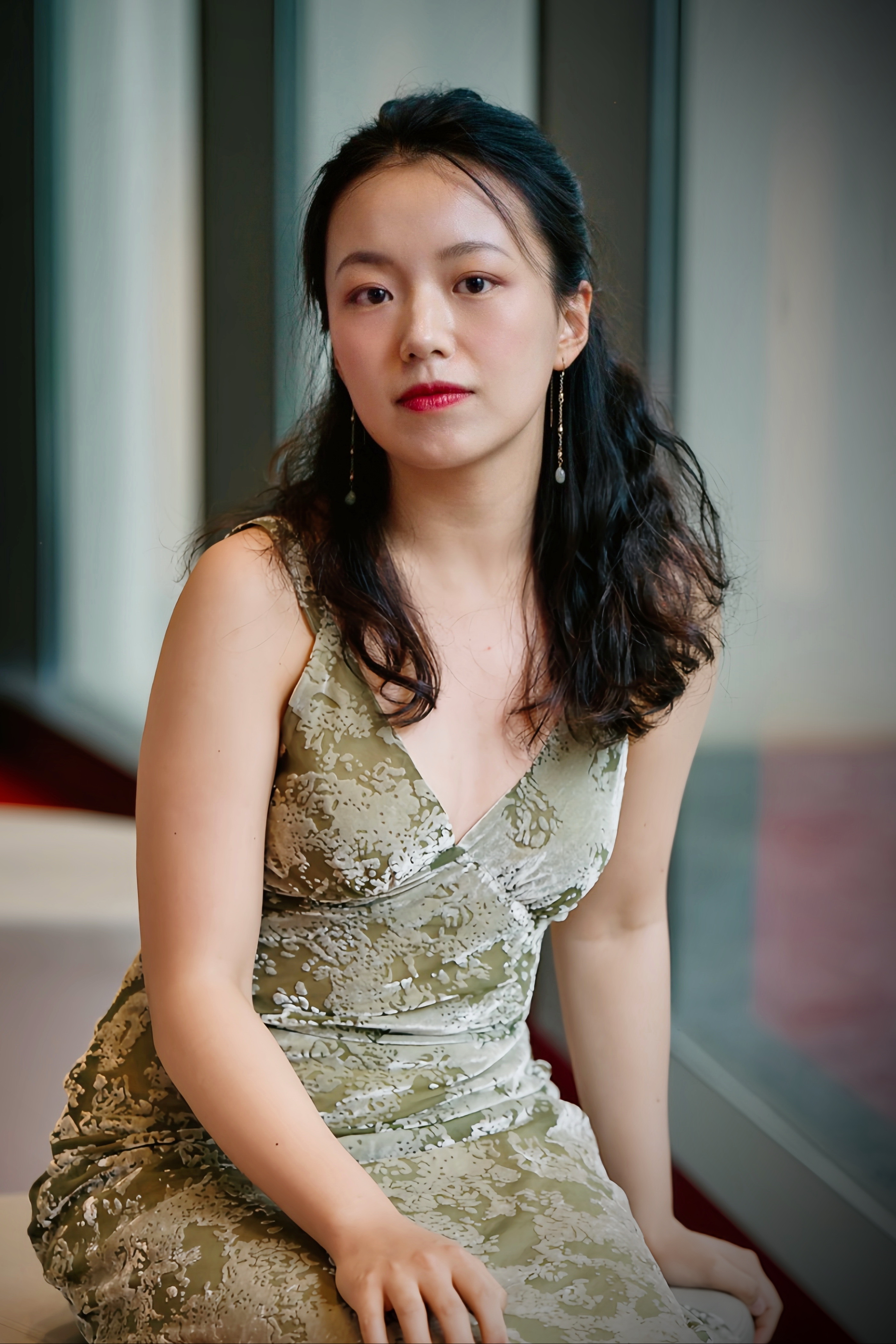 Born in Anhui, China, Nan Ni began studying piano at
the age of five. Described by the Boston Musical Intelligencer as “a
confident, accurate, powerful, and articulate interpreter,” she has
captivated audiences with performances that combine both intellectual depth
and genuine musical expression. As the first-prize winner of the 2022 Fou
Ts’ong International Concerto Competition in Boston, her performance of
Beethoven’s Emperor Concerto with the Mercury Orchestra at Jordan Hall
was praised for its “limpid refinement in the adagio” and “exquisitely
vanishing pianissimos.”
Born in Anhui, China, Nan Ni began studying piano at
the age of five. Described by the Boston Musical Intelligencer as “a
confident, accurate, powerful, and articulate interpreter,” she has
captivated audiences with performances that combine both intellectual depth
and genuine musical expression. As the first-prize winner of the 2022 Fou
Ts’ong International Concerto Competition in Boston, her performance of
Beethoven’s Emperor Concerto with the Mercury Orchestra at Jordan Hall
was praised for its “limpid refinement in the adagio” and “exquisitely
vanishing pianissimos.”
Nan’s other accolades include first prize at the Los Angeles Young Musician International Piano Competition, third prize at the Conero International Piano Competition, and second prize at the Shenzhen Piano Open Competition. She is also a three-time winner of the Piano Department Honors Competition at the New England Conservatory (NEC). Her achievements have been recognized with prestigious awards such as the St.Botolph Club Foundation 2025 Emerging Artist Award, the Tan Family Grant Scholarship, the Shanghai Government Scholarship, the Niu Ende Piano Music Scholarship, and the Audience Award at the winners' concert.
As a soloist and avid chamber musician, Nan has performed widely in Asia, America, and Europe, and has appeared in renowned music festivals such as Music@Menlo, Ravinia Steans Institute, Summer Academy Mozarteum in Salzburg, and Music Academy of the West. Nan’s musical journey began at the Music Middle School affiliated with the Shanghai Conservatory, where she studied for nine years under Natalia Filippova. She went on to earn her Bachelor’s degree in 2021 and her Master’s degree in 2023 from NEC, studying with Bruce Brubaker. Currently, she is pursuing the highly competitive Doctor of Musical Arts (DMA) degree at NEC under the guidance of Bruce Brubaker and Alessio Bax.
In addition to her achievements as a pianist, Nan is an accomplished organist, studying with Thomas Handel at NEC. She has performed as a solo organist at the Church of the Covenant in Boston and collaborated with the NEC Concert Choir and Chamber Singers. Beyond her musical pursuits, Nan is deeply passionate about ancient Chinese poetry and Pre-Raphaelite paintings. She is always intrigued to explore the intersections of art forms, as she believes in their profound interconnections that infuse music-making with additional layers of meaning and resonance.

Program
Notes written by Annette Jakovcic in July, 2026
Ludwig van Beethoven
(1770–1827):
Sonata for Cello and Piano in D Major, Op. 102, No. 2
(16’)
Allegro con brio
Adagio con molto sentimento d'affetto
Allegro – Allegro fugat0
Completed in 1815, Beethoven's Sonata for Cello and Piano in D Major, Op. 102 No. 2 is the last of his five cello sonatas and marks the beginning of his celebrated late period. Written after several years of relative compositional silence, during a time of increasing deafness and social isolation, the work looks both backward and forward. It retains the rhythmic vitality and dramatic energy of Beethoven's middle period while introducing the profound introspection and contrapuntal complexity that would define his final years.
The opening movement immediately establishes the equal partnership between cello and piano. Rather than relying on long lyrical melodies, Beethoven builds the music from bold rhythmic gestures, sudden dynamic contrasts, and constant dialogue between the two instruments. Moments of powerful intensity are interrupted by passages of remarkable tenderness, creating a sense of unpredictability that continues throughout the movement.
The slow movement, marked Adagio con molto sentimento d'affetto, is one of Beethoven's most intimate and expressive inspirations. Its quiet, contemplative opening gradually unfolds into warmer, more lyrical music before returning to a deeper sense of reflection. Without pause, it leads directly into the final movement, an exuberant fugue that transforms strict contrapuntal writing into something intensely dramatic and emotionally charged. Filled with unexpected harmonic turns, rhythmic drive, and virtuosic interplay between cello and piano, the work concludes in a triumphant unison, bringing Beethoven's final cello sonata to an exhilarating close.
Manuel de Falla
(1876–1946):
Siete canciones populares españolas
(Seven Popular Spanish Songs)
(arranged for cello and piano)
(14’)
El paño moruno (The Moorish Cloth)
Seguidilla murciana
Asturiana
Jota
Nana (Lullaby)
Canción
Polo
Composed in 1914, Siete canciones populares españolas is one of Manuel de Falla's best-loved works and a vivid celebration of Spain's rich folk traditions. Rather than quoting melodies verbatim, de Falla drew inspiration from traditional songs from several regions of Spain, transforming them into refined concert works while preserving their distinctive rhythms, harmonies, and expressive character. Originally written for voice and piano, the songs have since been arranged for many instruments, including cello.
Each of the songs captures a unique regional style and emotional world. The lively El paño moruno playfully laments a piece of cloth that has lost its value through a flaw, followed by the gentle lullaby Nana, one of the work’s most tender moments. Canción is lighthearted and charming, followed by Polo, a fiery outburst of jealousy and emotional intensity driven by the repeated cry, “¡Ay!”. Asturiana provides a moment of profound introspection, with its simple, mournful melody expressing quiet grief. Finally, the passionate Jota combines song and dance in a declaration of love.
Robert Schumann
(1810–1856):
Fünf Stücke im Volkston,
Op. 102
(Five Pieces in Folk Style)
Mit Humor
Langsam
Nicht schnell, mit viel Ton zu spielen
Nicht zu rasch
Stark und markiert
Composed in 1849, Schumann's Fünf
Stücke
im Volkston
("Five Pieces in Folk Style") was written during one of the most productive
periods of his career. Rather than quoting authentic folk melodies, Schumann
sought to capture the simplicity, warmth, and directness that he associated
with folk music. The result is a set of five character pieces that blend
lyrical beauty with rich Romantic expression.
As Schumann’s only work written for cello and piano, it is written with both instruments having equally important roles that share a musical dialogue throughout. Each movement presents a distinct emotional character. The first piece is titled “Vanitas vanitatum”, of the same title as one of Goethe’s poems, which is likely where the inspiration for this movement came from. Depicted in the poem is a drunken soldier who tries to find happiness by pursuing money, women, travel, and honor, but fails in doing so. Once he gives up on those goals, he is able to enjoy life as he desires. Schumann writes that the piece should be played “with humor”, with the movement being harmonically minor but rhythmically jovial.
The
second piece is a gentle lullaby that embodies the innig quality so
characteristic of Schumann's music, a uniquely German expression that can
best be translated as intimate, tender, and heartfelt. The contemplative
third movement unfolds with quiet lyricism before blossoming into an
impassioned central section, highlighted by the cello's soaring double-stop
sixths. The fourth movement is bold and celebratory, yet its confident
opening gives way unexpectedly to an apprehensive and deeply expressive
middle section. Furious and driven with stubborn determination, the fifth
movement brings the cycle to a brilliant and exhilarating conclusion.
Program note written by the composer in July, 2026
Keiko Fujiie
(b. 1963):
Sonata
Op. 50, for Violoncello and Piano
(1997)
夢であれ、現であれ
“Be It Dream or Reality”
Commissioned by the 22 Century Club
(USA Premiere)
(13’)
I have spent the past eleven years on a long journey, moving from place to place with West Africa as my principal base. Inevitably, I no longer have easy access to the scores and notes for many of my earlier works. When I was invited to write a program note for this revival of my Cello Sonata, composed twenty-nine years ago, I was unable to locate the original note from its premiere. I therefore decided to write a new one.
Around the time I composed this work, I encountered a photobook entitled Memento Mori. It was filled with intensely vivid, almost shocking images. Beneath the words, "Human beings are free enough to be eaten by dogs," a two-page spread showed the body of a person being devoured by wild dogs beside a river.
For reasons I could not then explain, that photograph reminded me of standing before Van Gogh paintings. I found myself thinking not of their subjects but of the thick, rough surface of the paint—the accidental ridges, the physical texture, and the untamed vitality that seemed to exist independently of whatever the paintings depicted. Whether Van Gogh painted a sunflower, a chair, or a field, there remained something undeniably present that belonged neither to the object nor to representation itself. This sonata began with a simple question: could the relationship between music and each individual note in the score be of the same kind?
Years later, while conducting research in my small home in West Africa—a place that did not even have electricity—I made an unexpected discovery. The photographer, Shinya Fujiwara, was the same writer and photojournalist who later devoted years to investigating Shoko Asahara, the leader of the Japanese cult Aum Shinrikyo. One of Fujiwara's later books proposed a controversial hypothesis concerning the cause of Asahara's blindness [1]. Watching Fujiwara walk on his own feet, verify things with his own eyes and ears, and relentlessly pursue what destiny seemed to place before him moved me profoundly. Realizing that the photographs which had once struck me like an electric shock were taken by this same man filled me with a deep sense of resonance.
As I write these words today, I find myself returning to a conviction that has accompanied me for many years: a great narrative can indeed emerge from an accumulation of minute details. Yet the moment we attempt to understand reality solely through narrative, countless details are inevitably distorted, overlooked, or forced into new meanings so that only those serving the narrative remain visible. Reality is never a story. It is something immeasurably heavier—and infinitely freer.
[1] In Yomi no Inu (Dog of the Underworld), Fujiwara proposed that Shoko Asahara's severe visual impairment may have resulted from childhood methylmercury exposure through the frequent consumption of seafood from the Shiranui Sea surrounding Minamata Bay, rather than from a congenital disorder. According to Fujiwara's reporting, Asahara's family had applied for official recognition of Minamata disease, but their application was rejected. At the time, seeking such certification could expose families to social stigma, discouraging many from pursuing their claims.
Having spent nineteen years living on the coast of Tachibata Bay in Nagasaki, where I witnessed the close relationship between local communities and the sea, I understand why Fujiwara considered the hypothesis worthy of investigation.


Thank you for
your generous contribution to
Foundation for Chinese Performing Arts
 |
 中華表演藝術基金會 中華表演藝術基金會Foundation for Chinese Performing Arts Lincoln, Massachusetts |